

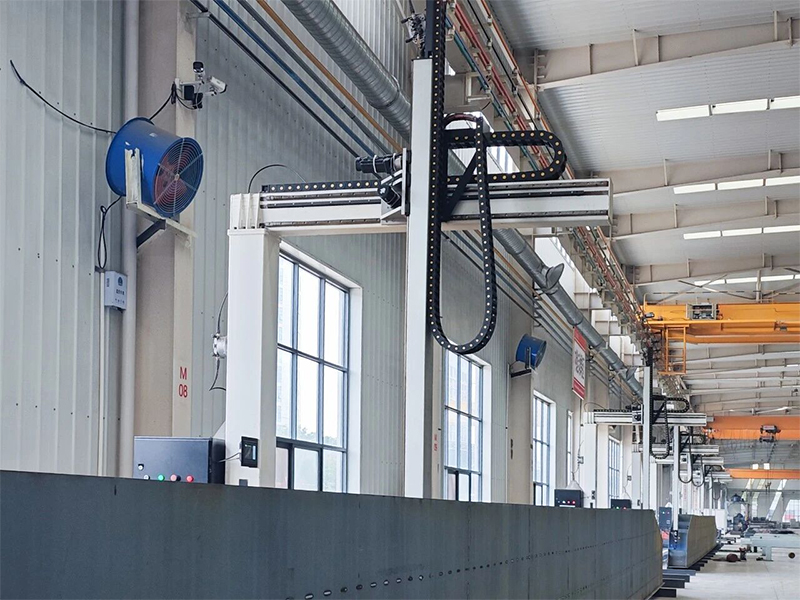
When "craftsmanship" became a buzzword of the times, people were always exploring its essence - is it the stunning top-notch skills, or the earth-shattering feats? In the production workshop of Xinke Company, Pang Lijuan, a robot operator for welding the inner seam of the main beam, gave an answer with her five-year persistence: craftsmanship lies in every persistent pursuit of precision, every tenacious attack on difficult problems, and every passionate adherence to inheritance. It is the original intention of "doing things well" on ordinary positions that remains unchanged.
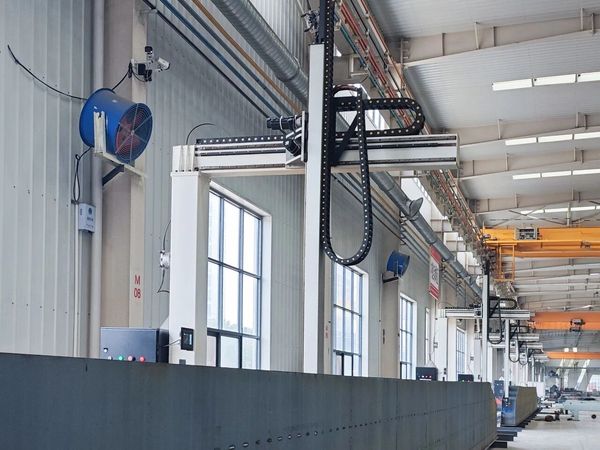
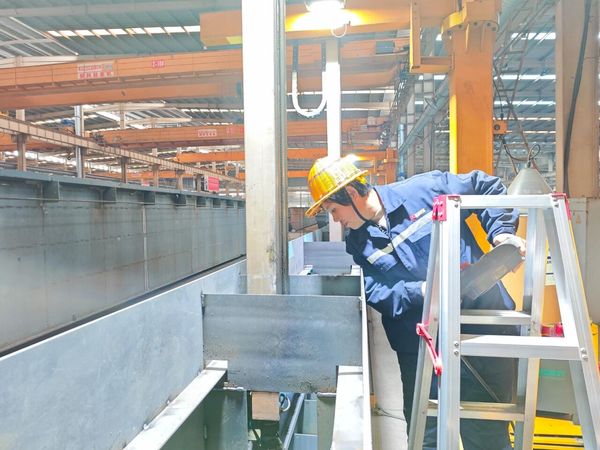
Craftsmanship embodies the rigor of "not conceding even a single millimeter". In Pang Lijuan's operational principles, "more or less" is an absolute taboo. The precision of each weld seam made by the robot for welding the inner seams of the main beam directly affects the connection of subsequent processes and the final product quality. She always adheres to the attitude of "not conceding even a single point" in every operation. Even when faced with urgent tasks to meet tight deadlines, from 7:30 in the morning to 11:30 at night, she does not allow "speed" to sacrifice "quality" - "rushing cannot compromise quality, this is the bottom line", her words are simple yet firm.
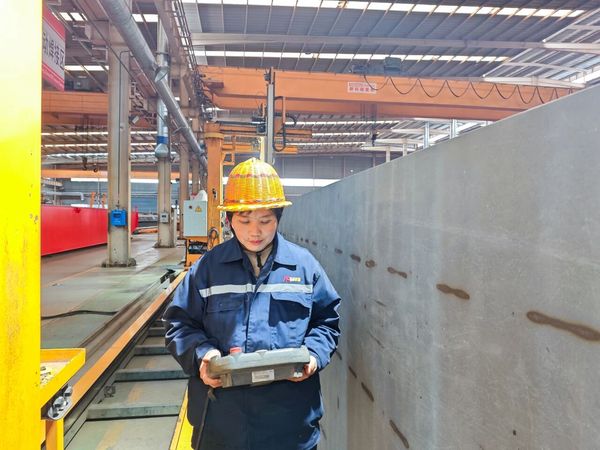
Craftsmanship embodies the perseverance to tackle tough challenges. Pang Lijuan always carries a notebook at work. Whenever she encounters programming difficulties, she records the parameter settings; whenever there's equipment malfunction, she notes the abnormal phenomena. She frequently seeks advice from manufacturers' engineers and company technicians until the "question mark" turns into a "period". "Initially, I took notes to avoid forgetting. Later, I realized that every time I took notes, my understanding of the equipment deepened." From "not understanding the program" to "getting to know the equipment's temperament", from "passively solving malfunctions" to "actively preventing problems", she has demonstrated with the perseverance to tackle tough challenges that craftsmanship is never a gift, but a daily persistence and honing.
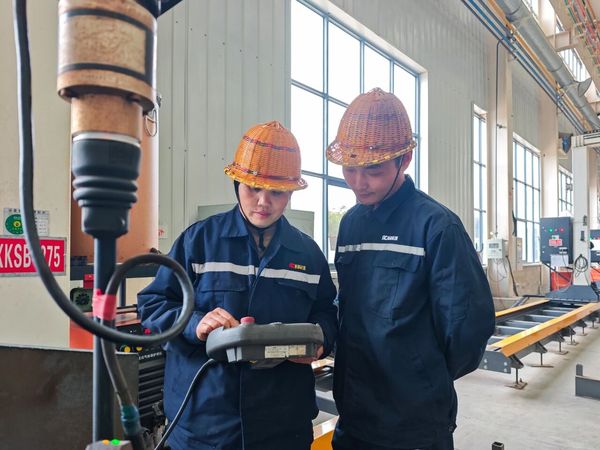
Craftsmanship is the passion of "passing on the torch"After becoming a skilled worker, Pang Lijuan took on the responsibility of mentoring apprentices, passing on the "craftsmanship" she had accumulated over five years without reservation. She explained every "pitfall" she had ever encountered, using her own experience to help young people avoid detours. When an apprentice asked her, "Why are you willing to teach all your 'secrets'?" she smiled and said, "I was taught by others back then, and now I'm passing on my skills to let more people do their work well. This is the respect for craftsmanship." This unreserved inheritance makes the spirit of craftsmanship no longer a personal "aura", but a "spark" that can illuminate more people's positions.
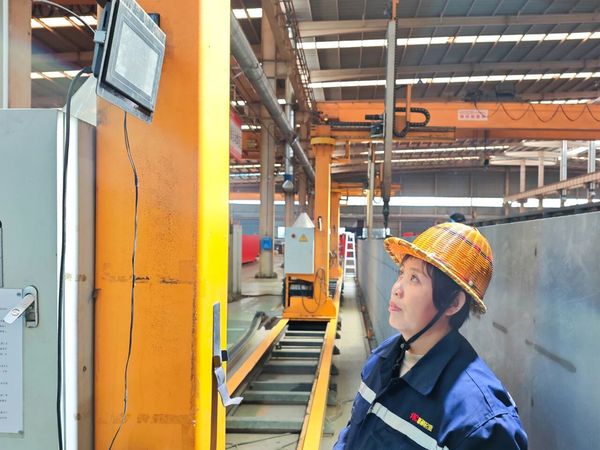
Craftsmanship embodies the reverence for "strictly adhering to the bottom line". In Pang Lijuan's view, the spirit of craftsmanship is not only about "refining the work", but also about "shouldering responsibility firmly". When faced with the high-risk operation of lifting, she always keeps in mind that "procedures are the bottom line" - even if she is proficient in the operation, she will check the equipment and confirm the process in advance, and will never operate against rules due to "sufficient experience". "I was also afraid when I first started lifting, but I knew that revering procedures means revering safety, and it is responsible for myself, my colleagues, and the products." This reverence for rules is an important footnote to the "sense of responsibility" in the spirit of craftsmanship.
Nowadays, Pang Lijuan is still busy among the equipment. In her view, the spirit of craftsmanship is by no means an unattainable "myth". It is reflected in the "no faking, no shirking" attitude of ordinary people in their positions, and it is the firm belief of "doing every small thing well and excellently".


